Ranthambore National Park
One of India's best-known wildlife destinations
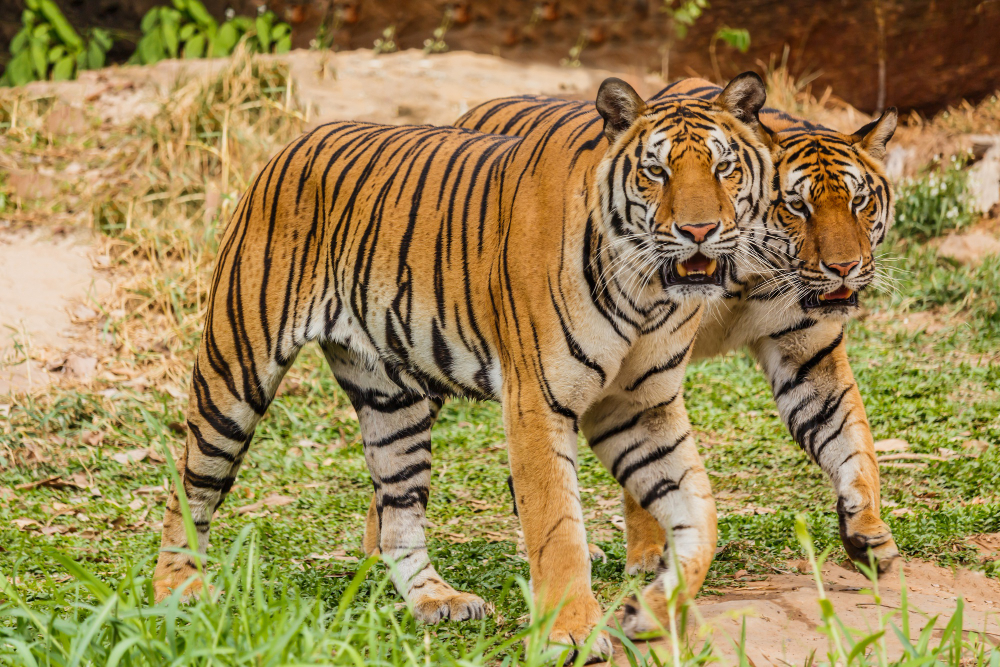
Ranthambore is one of India's best-known wildlife destinations. It is tucked into Sawai Madhopur district in Rajasthan. People visit for the jungle safaris to spot big cats like tigers and explore its wildlife. This park has a wide variety of reptiles, birds and animals.
Two types of safaris are available in Ranthambore. The first is Gypsy, which is a six-seater vehicle, and the second is a Canter, which is a 20-seater open bus.
History of Ranthambore National Park
-
17th–20th century
Used as a private hunting reserve
-
1955
Set up as Sawai Madhopur Game Sanctuary
-
1973
Designated a Tiger Reserve
-
1980
Officially became Ranthambore National Park
-
1991
The tiger reserve expanded to include surrounding forests.
At present, the park covers 392 sq km at its core and sits close to the Sawai Madhopur and Keladevi Sanctuaries. The total forested area stretches across 1,536 sq km, with the core zone covering 716 sq km.
Wildlife of Ranthambore
Ranthambore's forests are mainly made up of Dhok trees, which cover large parts of the reserve. Other trees include banyan, peepal, khair, mango, jamun and ber. The reserve has 539 recorded species of flowering plants. Open grasslands, known as chaurs, provide grazing areas for deer and other herbivores. After the monsoon rains, the dry forest turns green. That's how the landscape gets new life.
Dominant Trees
- Dhok
- Banyan
- Peepal
- Khair
- Mango
- Jamun
- Ber
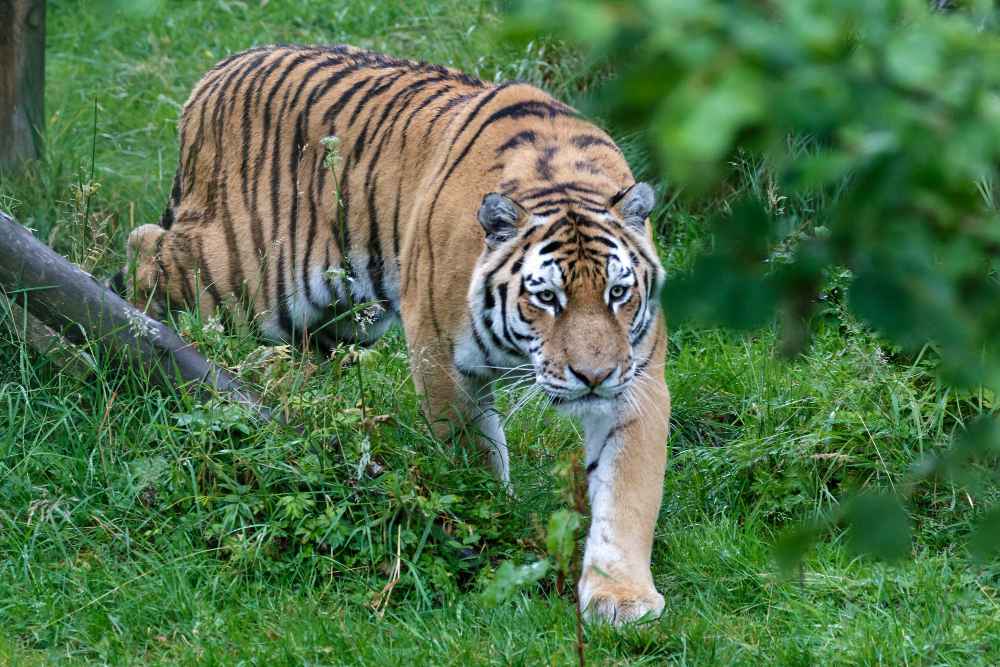
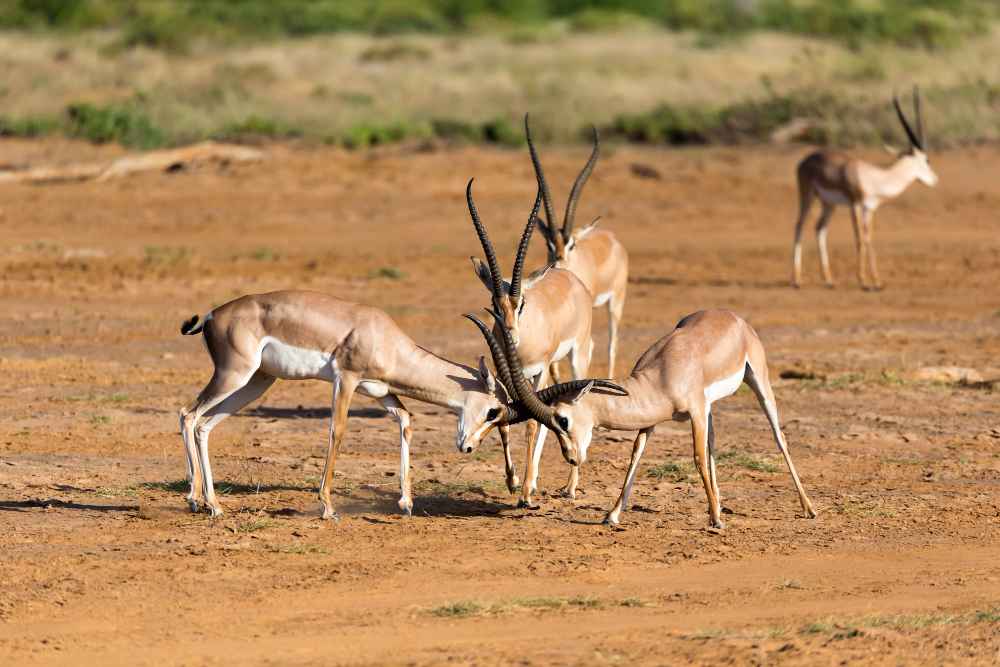
Talking about the fauna of Ranthambore, this place is home to Bengal tigers, leopards, sloth bears, striped hyenas, sambar deer, chital and nilgai. Its lakes shelter marsh crocodiles, while pythons, monitor lizards and other snakes inhabit the reserve.
More than 315 bird species, including painted storks, kingfishers, owls and crested serpent eagles, can be spotted here. In winter, Padam Talab and Raj Bagh attract migratory birds.
Best Time to Visit
Ranthambore is best visited from October to June.
Pleasant Weather
October to February brings pleasant weather, clear days and migratory birds, making it ideal for safaris.
Tiger Sightings
March to June offers better chances of spotting tigers near shrinking water sources, though the heat can be challenging.
Buffer Zones Open
From July to September, zones 1–5 get closed, while buffer zones 6–10 remain open. This is the time when the Jungle becomes greener after the monsoon rains.
How to Get There
Ranthambore is well connected through all modes, whether you want to come by air, train or road. In other words, reaching Ranthambore is easy and comfortable.
By Air
The nearest airport is Jaipur's Sanganer Airport, about 180 km from Ranthambore. Direct flights connect Jaipur to most major Indian cities. From the airport, a cab ride to the park takes roughly 2.5 to 3 hours.
By Train
Just 10 km away from the park, Sawai Madhopur railway station is the closest. Several trains run here from Delhi, Jaipur, and other cities. You can hire taxis and autos from here to cover the remaining distance.
By Road
Ranthambore is well-connected. Key distances to keep in mind:
- Jaipur157 km
- Delhi417 km
- Ajmer274 km
- Jodhpur450 km
- Ahmedabad657 km
State buses and private cabs are easily available to reach Sawai Madhopur from nearby cities.